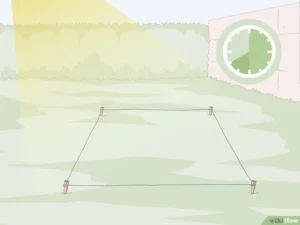
1. Choose a location that receives at least six hours of sunlight per day.

  • When choosing an area for your garden or planting, select one that receives direct sunlight.
  • Avoid planting near a wall or under a tree that could block sunlight at certain times of the day.
  • Look for an area with good drainage that does not become flooded after every rain.

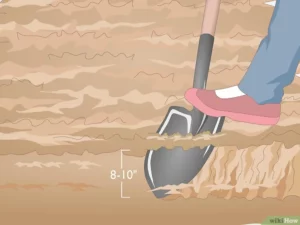
2. Loosen the soil to a depth of 20–25 cm

  • Use a shovel or hoe to dig a layer of soil about 20–25 cm deep.
  • Turn the soil thoroughly and continue loosening the garden bed, breaking up compacted clumps until the soil has an even, loose consistency.
  • If there is grass or weeds in the area, remove them first before loosening the soil underneath.
 

3. Remove any rocks or debris found in the soil.

  • Look for sticks, broken roots, or other types of debris while digging.
  • Remove anything that is not soil from the garden bed.
  • Use a hoe to turn the soil and check for sticks and debris that should be removed.

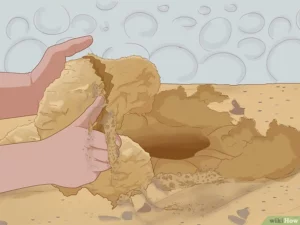
4. Break up large clumps of soil.

  • Use your hands or a rake to break large chunks of soil into smaller, softer particles.
  • Hard clumps can prevent roots from penetrating the soil properly during planting.

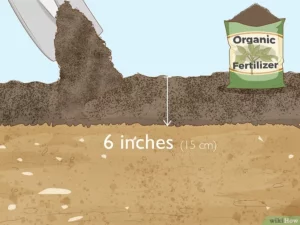
5. Add Guano to the top layer of the soil.

  • Spread the Guano evenly over the surface of the garden bed and mix it into the soil to a depth of about 20 cm, so that plant roots can begin absorbing the nutrients as soon as they are planted.
  • Water the soil and allow it to settle for 2–3 weeks before planting.
  • Recommended amount: between 1 kg and 2 kg of Guano per 10 square meters of soil.

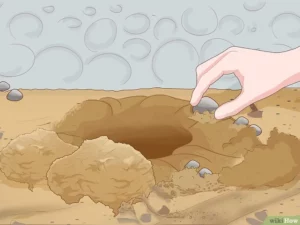
6. For plants, dig a hole 20–25 cm deep in the soil.

  • Use a shovel to dig the soil where you intend to plant.
  • Dig deep enough to remove any grass (lawn) or plants with roots present in the top layer of the soil.
  • Note: Wait until the soil is dry before starting to dig.

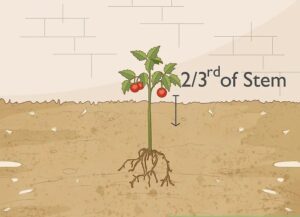
7. Plant by burying two-thirds of the stem.

  • Burying a large portion of the stem helps the plant become stronger and develop a better root system as it adapts to the new soil.
  • Cover the plant so that only one-third of it remains above the soil.
  • Do not pile soil around the stem. Instead, dig a hole deep enough to properly cover the plant.

8. Water the soil as soon as the plants have been planted.

  • After finishing planting, water them immediately to help them adapt to the new soil.
  • Use a hose with a gentle flow or a watering can to avoid bending or knocking over the plants.
  • Do not overwater or flood the garden. Use only enough water to moisten the top layer of the soil.

Organic farming is beneficial to a wide range of organisms. It restores the biodiversity of the core resources and habitat of the region. The symbiosis between flora and fauna, animals, and humans with a chemical-free environment is paradise on Earth.

Contact

GuanoSA 29 Portofino Place, Nr 3 Willow Crescent, Pretoria - RSA
+27 (0) 67 567 8835
info@guanosa.co.za

Follow Us

Subscribe

Enter your email and we’ll send you latest information and plans.